
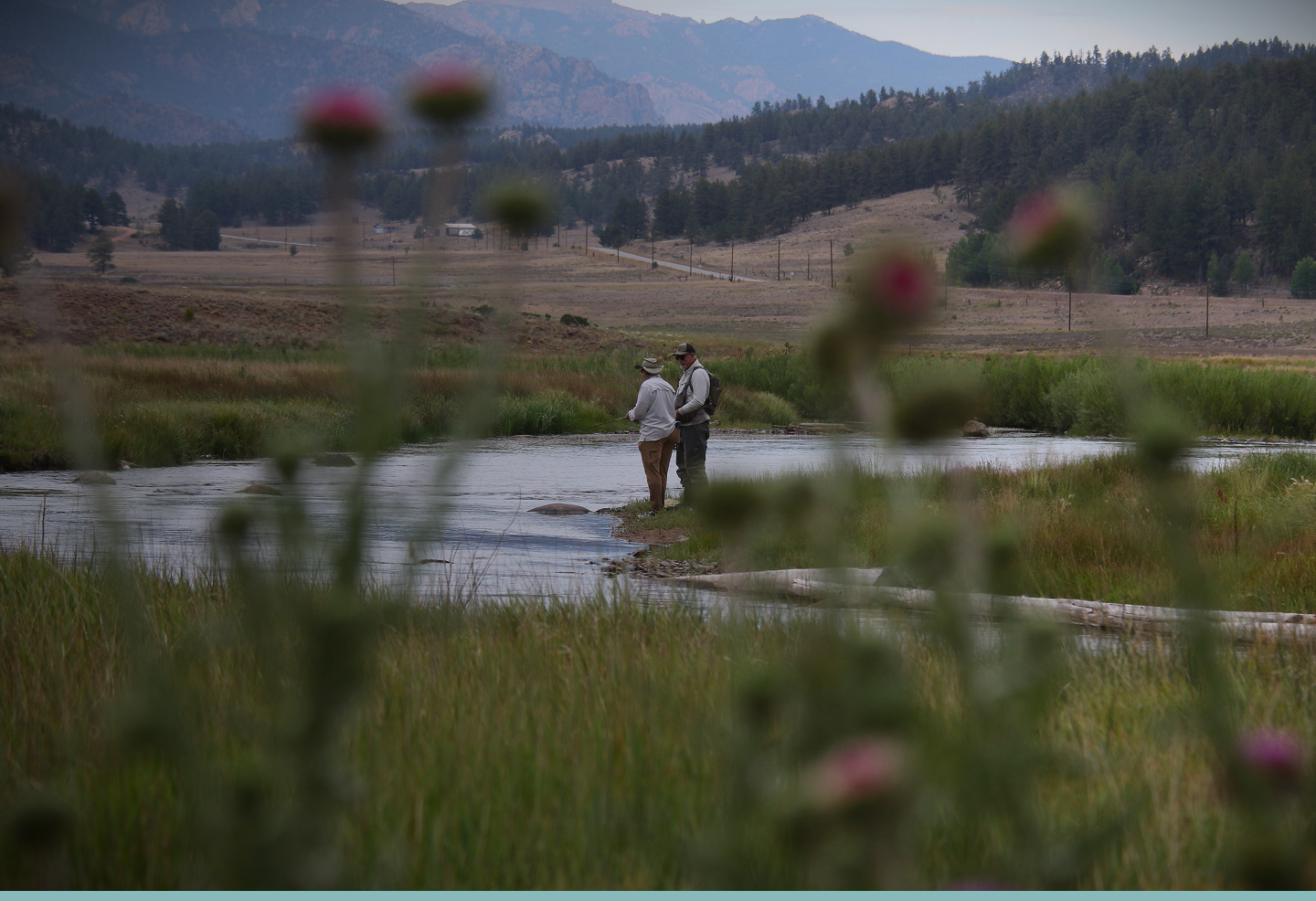
Bring a retreat to your water
We grow one river at a time, and always because somebody local decided their water should be part of this. If that's you, here is how it works.
What a host does
A host is the person on the ground. You know the water, you know who guides it, and you know the recovery community near it. We bring the program, the structure and the gear list; you bring the place and the people.
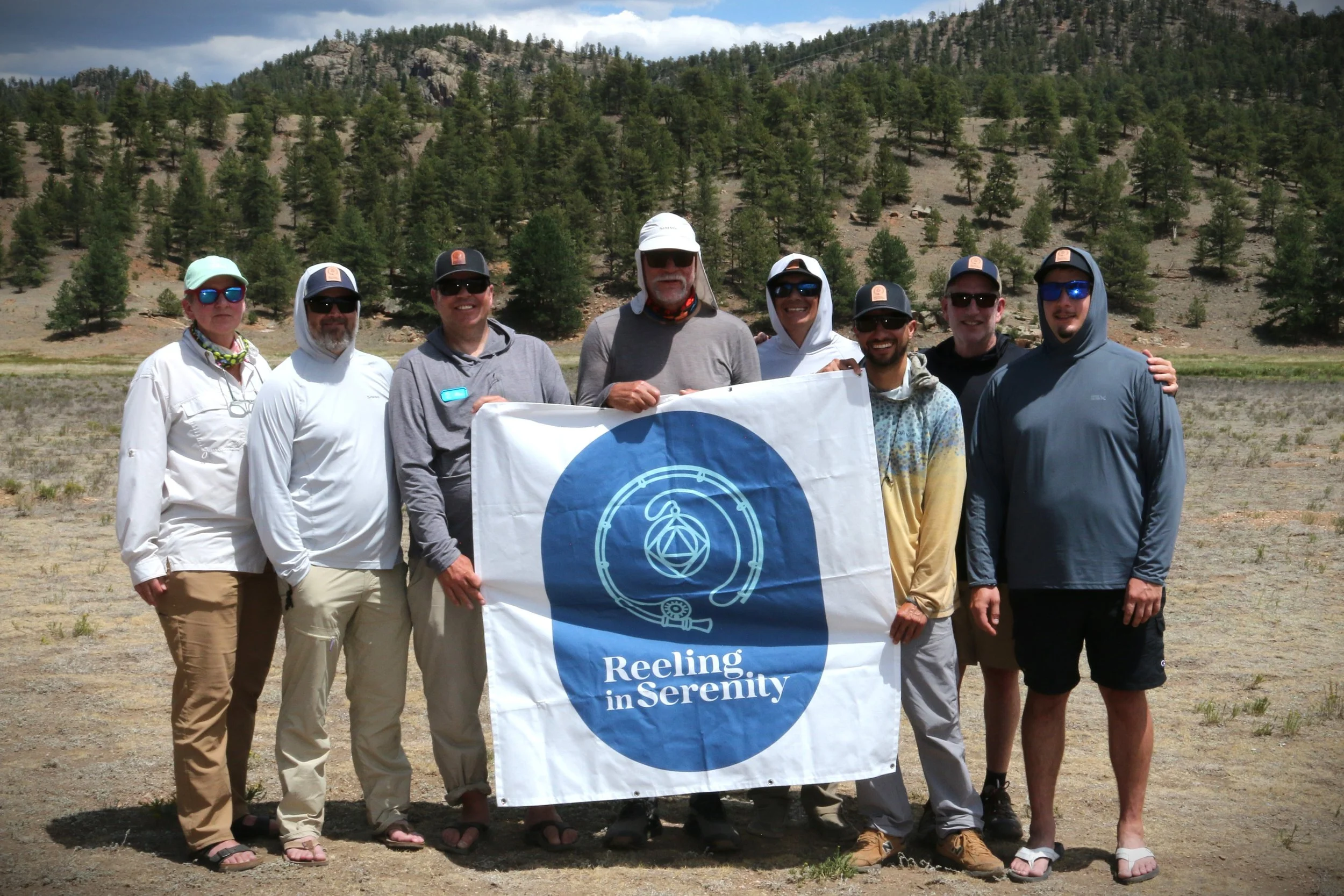
This is how Reeling in Serenity has reached six states. Every one of them started with somebody asking.

How it works
01
Start with the host application
Tell us about your water, the anglers near you and the recovery community you’d be serving. Hosts also volunteer on the day, so we’ll get you set up as a volunteer too.
02
A conversation
We'll talk it through properly: the water, the season, who else is local, and what you'd need from us. This is a vetting interview, and it goes both ways.
03
Board decision
Our board authorizes new retreats. If it's a yes, you're assigned a Planning Point Person and we work to a twelve-month timeline together.
There are three possible outcomes and one of them is "not yet." A no now is often about timing rather than about you.
What we ask of a host
Local knowledge
Water you know well and can vouch for, in a season that works, with access sorted or securable.
People
Enough experienced anglers nearby to pair one-to-one with ten or twelve participants.
Time
Planning runs across roughly a year. We give you the timeline and a point person — you're not doing it alone or from scratch.
The standard
Everything on the volunteer page applies to hosts as well, and then some. The retreat has to be free to every participant, and it has to be a recovery space first.
Tell us about your water
Start with the host application. We'll take it from there.